Drain Field Replacement in Austin, TX
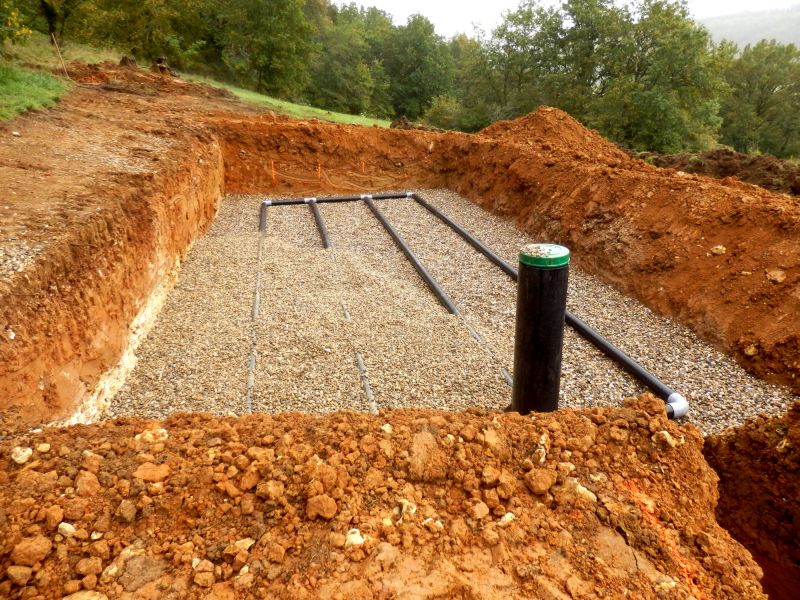
Drain field replacement involves removing an existing drain field system and installing a new one to ensure proper wastewater management on a property. This service is typically needed when a drain field has failed, become clogged, or is no longer functioning efficiently due to age, soil issues, or improper maintenance. Projects often include assessing the current system, excavating the old drain field, and installing new drain lines and gravel beds that meet local regulations. Homeowners usually want to understand the scope of work, the reasons for replacement, and what to expect during the process to make informed decisions about maintaining a healthy septic system.
Property owners considering drain field replacement should be aware of common signs indicating a need for service, such as slow draining sinks, gurgling sounds, or sewage odors around the property. It's also important to understand the importance of proper site evaluation, soil conditions, and adherence to local codes for a successful replacement. Clarifying these details can help ensure the new system functions effectively and reduces the risk of future issues, supporting the long-term health of the property’s wastewater management system.
Many property owners in Austin, TX look into Drain Field Replacement for repairs, replacements, upgrades, and appearance-related improvements.
Signs You Need A Drain Field Replacement
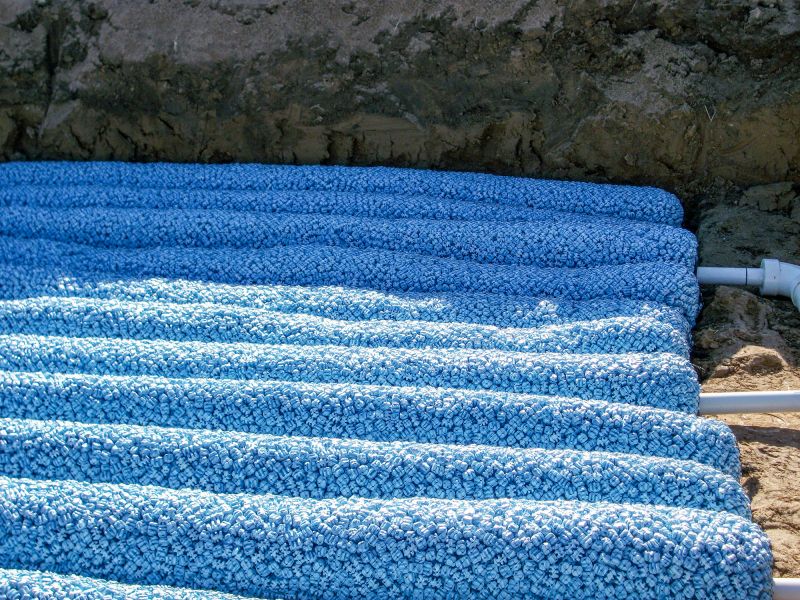
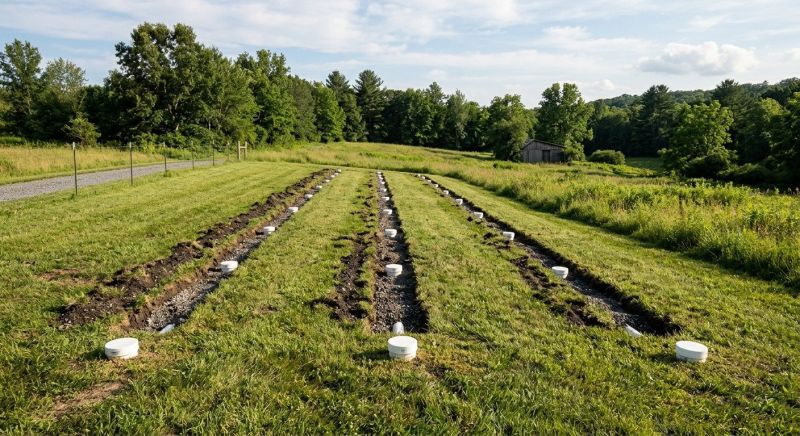
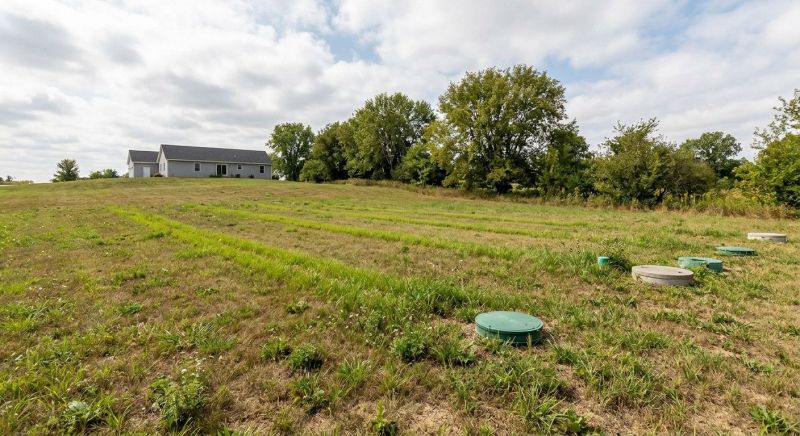
Persistent sewage odors or lush, overly green areas can indicate drain field issues.
Understanding The Replacement Process
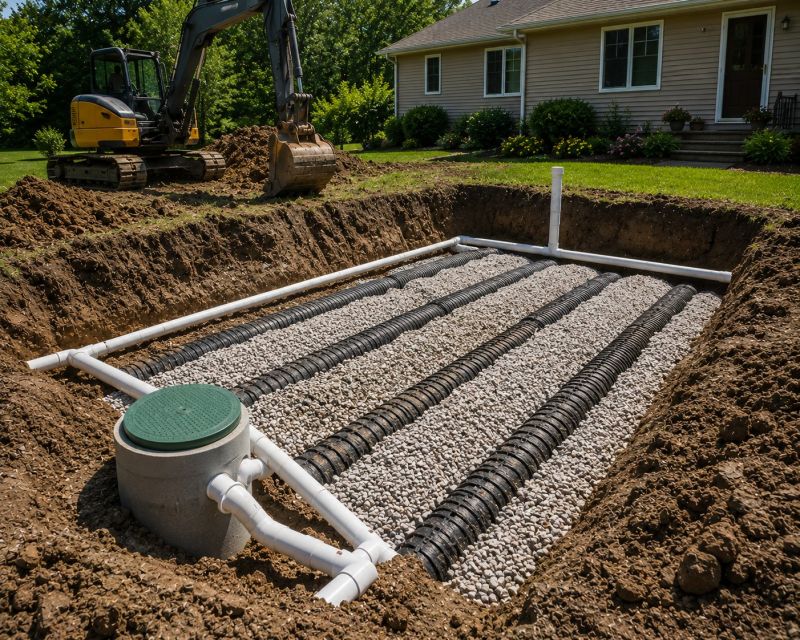
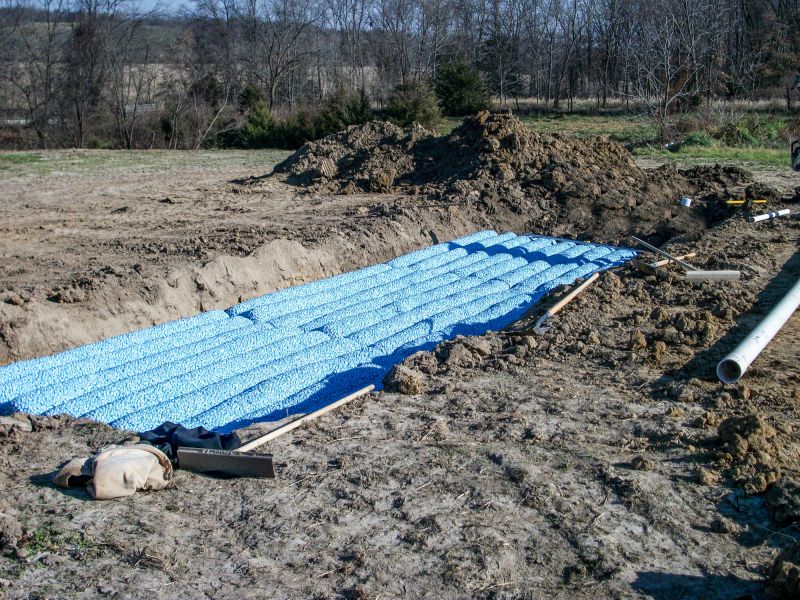
Replacing a drain field involves removing old components and installing a new system tailored to your property.
Reasons To Consider Drain Field Replacement
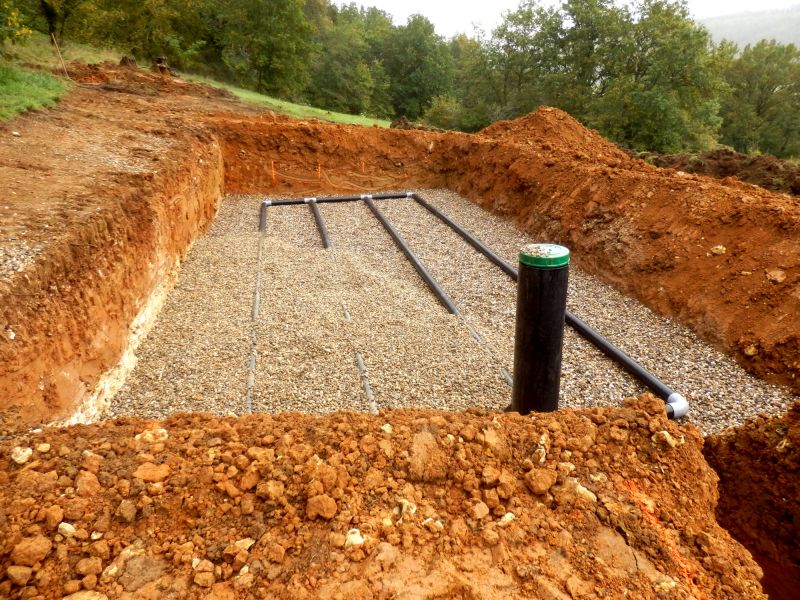
A failing drain field can cause backups, slow drainage, and potential property damage in austin, tx.
Drain Field Replacement in Austin, TX

Drain field replacement involves removing an existing drain field system and installing a new one to ensure proper wastewater management on a property. This service is typically needed when a drain field has failed, become clogged, or is no longer functioning efficiently due to age, soil issues, or improper maintenance. Projects often include assessing the current system, excavating the old drain field, and installing new drain lines and gravel beds that meet local regulations. Homeowners usually want to understand the scope of work, the reasons for replacement, and what to expect during the process to make informed decisions about maintaining a healthy septic system.
Property owners considering drain field replacement should be aware of common signs indicating a need for service, such as slow draining sinks, gurgling sounds, or sewage odors around the property. It's also important to understand the importance of proper site evaluation, soil conditions, and adherence to local codes for a successful replacement. Clarifying these details can help ensure the new system functions effectively and reduces the risk of future issues, supporting the long-term health of the property’s wastewater management system.
Many property owners in Austin, TX look into Drain Field Replacement for repairs, replacements, upgrades, and appearance-related improvements.
Common Drain Field Replacement Jobs
Drain field replacement involves removing and installing a new drain field system to ensure proper wastewater dispersal.
Septic system upgrades include replacing aging or failing drain fields to restore functionality.
Drain field troubleshooting helps identify issues that require complete replacement for reliable operation.
New drain field installation is essential when existing systems are damaged or no longer meet property needs.
Drain field expansion involves enlarging or modifying the system to accommodate increased property use.
Drain field repair and replacement services restore proper drainage and prevent potential property damage.
Drain Field Replacement Questions
What is drain field replacement? Drain field replacement involves removing and installing a new drain field system to ensure proper wastewater dispersal from a septic system.
When is drain field replacement needed? Replacement is typically needed if the drain field is failing, causing backups, or if it shows signs of significant damage or soil saturation.
What are common signs of a failing drain field? Signs include persistent odors, slow draining fixtures, pooling water, or lush, oversaturated grass over the area.
How should property owners prepare for drain field replacement? Property owners should ensure clear access to the site and avoid planting deep-rooted plants nearby to prevent damage during installation.
Request Drain Field Replacement in Austin, TX
Use the quote form on this page to share the basics of your project and request more information for the type of work you need.