Pipes Replacement in Denver, CO
Pipes replacement services involve removing aging, damaged, or worn-out pipes and installing new ones to ensure the integrity of a home's plumbing system. This service covers a variety of projects, including replacing main water lines, sewer lines, and smaller supply or drain pipes throughout the property. Homeowners typically request pipe replacement when experiencing persistent leaks, low water pressure, frequent clogs, or signs of pipe deterioration such as corrosion or rust. Understanding the scope of the project, including the type of pipes being replaced and the potential impact on daily routines, is essential before requesting service.
Property owners should consider factors such as the age of existing plumbing, material types, and the overall condition of pipes when evaluating the need for replacement. It’s also helpful to know the extent of the replacement area, whether it involves a specific section or the entire plumbing system, and to inquire about the process involved in removing and installing pipes. Proper planning and understanding of these elements can facilitate a smoother project and help ensure the plumbing system functions effectively for years to come.
Many property owners in Denver, CO look into Pipes Replacement for repairs, replacements, upgrades, and appearance-related improvements.
Signs You Need Pipe Replacement
Persistent leaks, low water pressure, or discolored water can indicate the need for pipe replacement.
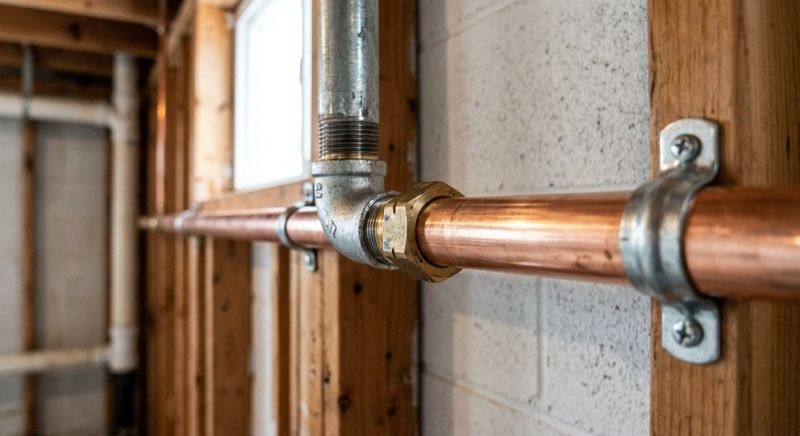
Types Of Pipes Replaced
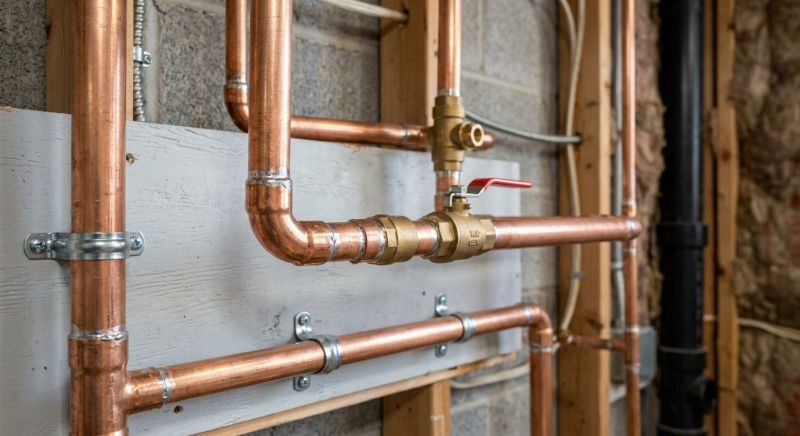
Commonly replaced pipes include galvanized, cast iron, and aging copper plumbing systems.
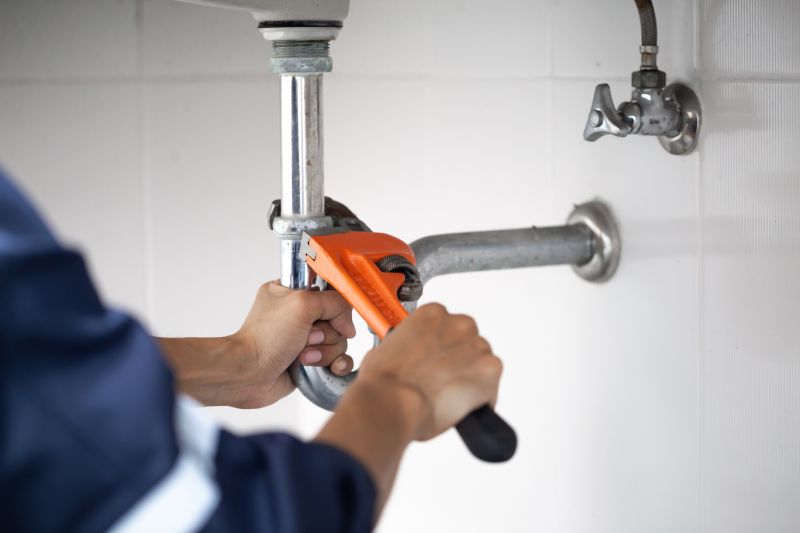
Benefits Of Pipe Replacement
Upgrading pipes can improve water flow, prevent future damage, and enhance overall plumbing reliability in denver homes.
Pipes Replacement in Denver, CO

Pipes replacement services involve removing aging, damaged, or worn-out pipes and installing new ones to ensure the integrity of a home's plumbing system. This service covers a variety of projects, including replacing main water lines, sewer lines, and smaller supply or drain pipes throughout the property. Homeowners typically request pipe replacement when experiencing persistent leaks, low water pressure, frequent clogs, or signs of pipe deterioration such as corrosion or rust. Understanding the scope of the project, including the type of pipes being replaced and the potential impact on daily routines, is essential before requesting service.
Property owners should consider factors such as the age of existing plumbing, material types, and the overall condition of pipes when evaluating the need for replacement. It’s also helpful to know the extent of the replacement area, whether it involves a specific section or the entire plumbing system, and to inquire about the process involved in removing and installing pipes. Proper planning and understanding of these elements can facilitate a smoother project and help ensure the plumbing system functions effectively for years to come.
Many property owners in Denver, CO look into Pipes Replacement for repairs, replacements, upgrades, and appearance-related improvements.
Common Pipes Replacement Jobs
Residential pipe replacement - upgrades aging or damaged pipes to prevent leaks and improve plumbing performance.
Main water line replacement - replaces the primary pipe bringing water into the property to ensure reliable flow.
Fixture and drain pipe replacement - updates outdated or corroded pipes connected to sinks, toilets, and appliances.
Underground pipe replacement - addresses leaks or blockages in buried pipes to protect property foundations.
Emergency pipe replacement - quickly replaces broken or burst pipes to minimize water damage and restore service.
Water line rerouting - adjusts pipe routes during renovations or property modifications for better plumbing efficiency.
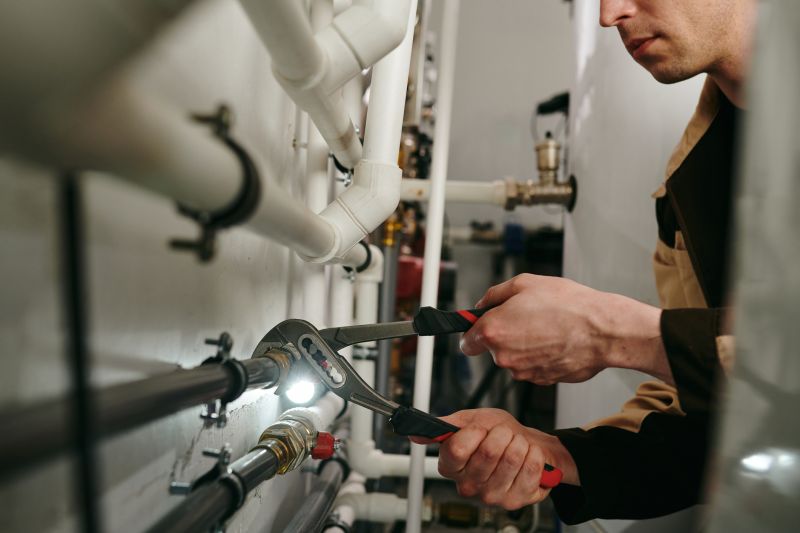
Pipes Replacement Questions
When should pipes be replaced? Pipes should be replaced when they show signs of significant corrosion, leaks, or frequent clogs that cannot be repaired effectively.
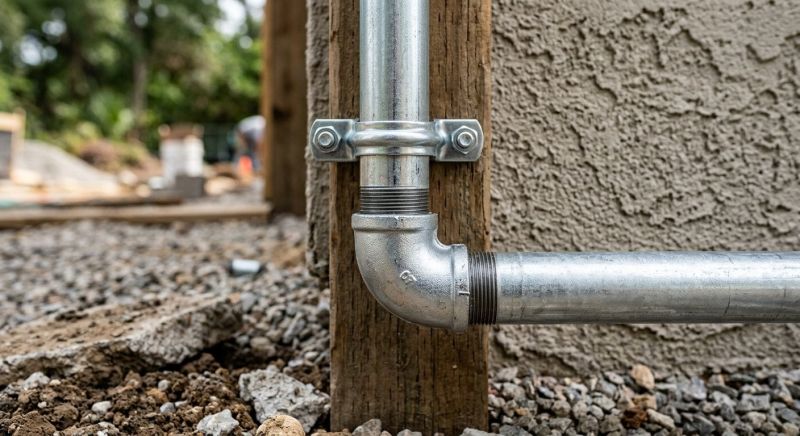
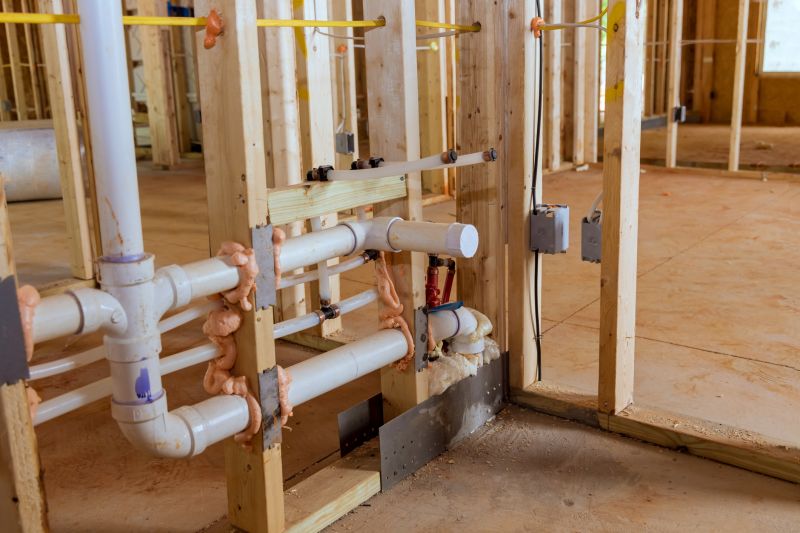
What types of pipes are commonly replaced? Commonly replaced pipes include aging copper, galvanized steel, and damaged PVC or PEX lines.
How can I tell if my pipes need replacement? Signs include low water pressure, persistent leaks, discolored water, or visible rust and corrosion on pipes.
What are the benefits of replacing old pipes? Replacing old pipes can improve water quality, prevent water damage, and increase the overall reliability of the plumbing system.
Request Pipes Replacement in Denver, CO
Use the quote form on this page to share the basics of your project and request more information for the type of work you need.