Septic Field Installation in Denver, CO
Septic field installation involves setting up the underground system that treats and disperses wastewater from a property. This service is essential for homes that are not connected to municipal sewer lines and typically includes designing, excavating, and installing the drain field components. Property owners often request septic field installation when building a new home, replacing an outdated system, or expanding a property to accommodate additional units. Understanding the size and layout of the property, soil conditions, and local regulations can help homeowners determine the scope of the project and ensure proper functioning of the septic system.
Before requesting septic field installation, property owners should consider factors such as the location of the drain field in relation to wells, water sources, and existing structures. It's also important to evaluate the soil's absorption capabilities and ensure the site complies with local health and environmental codes. Proper planning can help prevent future issues such as system failure or contamination, making it a key step in maintaining a safe and efficient wastewater management system on the property.
Many property owners in Denver, CO look into Septic Field Installation for repairs, replacements, upgrades, and appearance-related improvements.
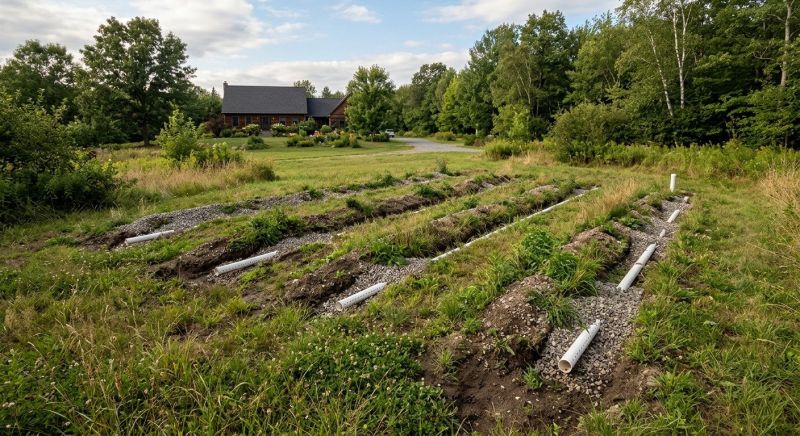
Septic Field Design And Planning
Proper planning ensures efficient and reliable septic system performance for residential properties.
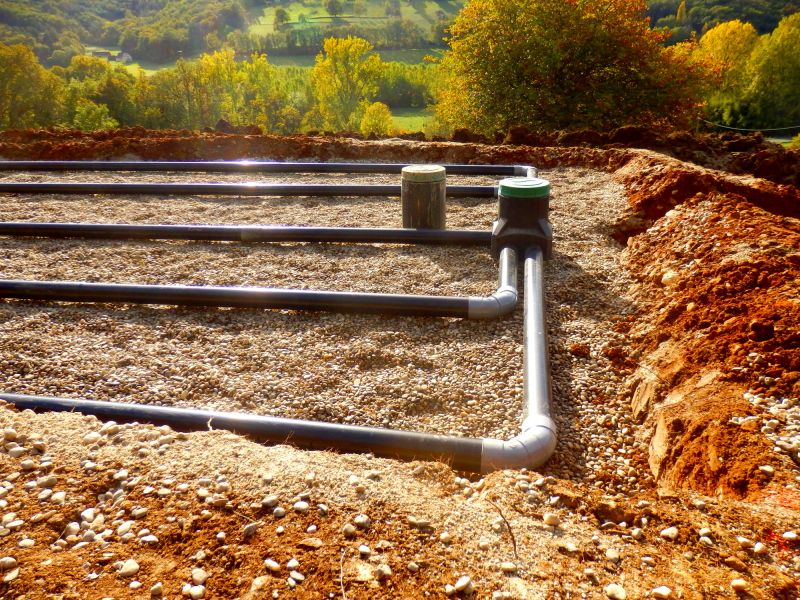
Septic Field Installation Process
Installation involves excavating, laying out the field, and ensuring proper soil absorption for long-term use.
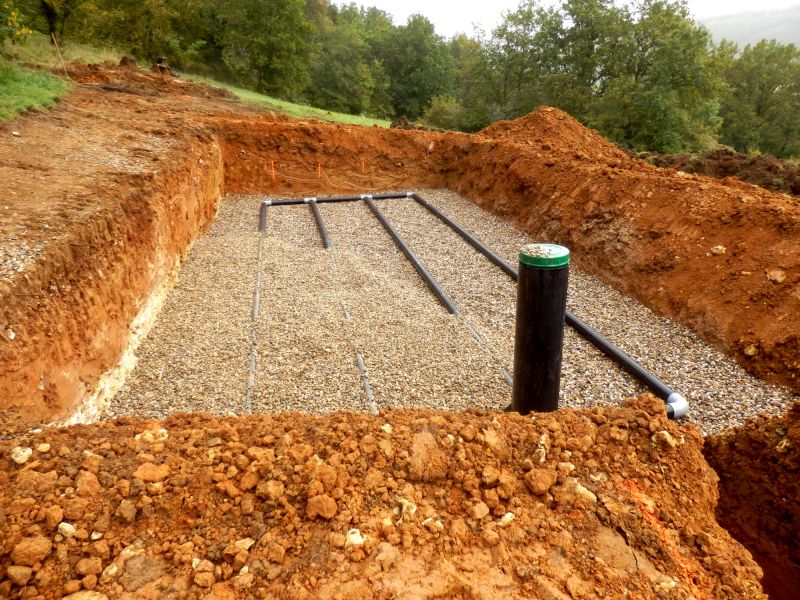
Septic System Maintenance Tips
Regular inspections and proper waste management help maintain septic system functionality and prevent issues.
Septic Field Installation in Denver, CO

Septic field installation involves setting up the underground system that treats and disperses wastewater from a property. This service is essential for homes that are not connected to municipal sewer lines and typically includes designing, excavating, and installing the drain field components. Property owners often request septic field installation when building a new home, replacing an outdated system, or expanding a property to accommodate additional units. Understanding the size and layout of the property, soil conditions, and local regulations can help homeowners determine the scope of the project and ensure proper functioning of the septic system.
Before requesting septic field installation, property owners should consider factors such as the location of the drain field in relation to wells, water sources, and existing structures. It's also important to evaluate the soil's absorption capabilities and ensure the site complies with local health and environmental codes. Proper planning can help prevent future issues such as system failure or contamination, making it a key step in maintaining a safe and efficient wastewater management system on the property.
Many property owners in Denver, CO look into Septic Field Installation for repairs, replacements, upgrades, and appearance-related improvements.
Common Septic Field Installation Jobs
Septic Field Design - planning and layout of effective septic drain fields for property needs.
Septic Field Installation - installing new drain fields to ensure proper wastewater management.
Leach Field Replacement - replacing aging or failing drain fields to restore system functionality.
Drain Field Expansion - extending existing septic systems to accommodate property growth.
Soil Evaluation - assessing soil conditions to determine suitable locations for drain fields.
Septic System Upgrades - upgrading existing drain fields for improved performance and compliance.

Septic Field Installation Questions
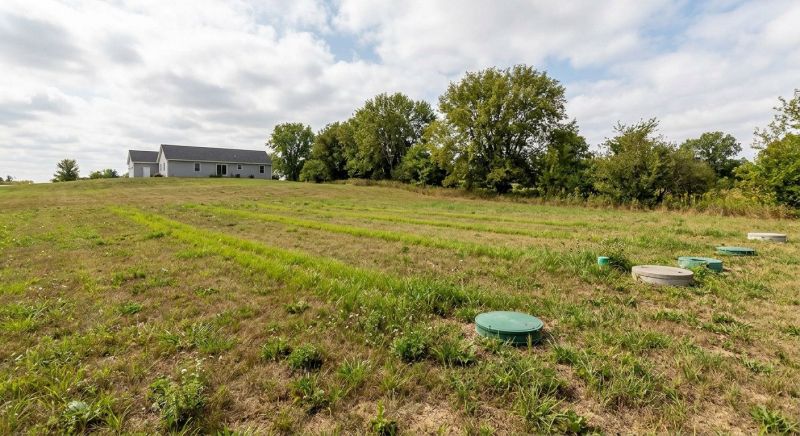
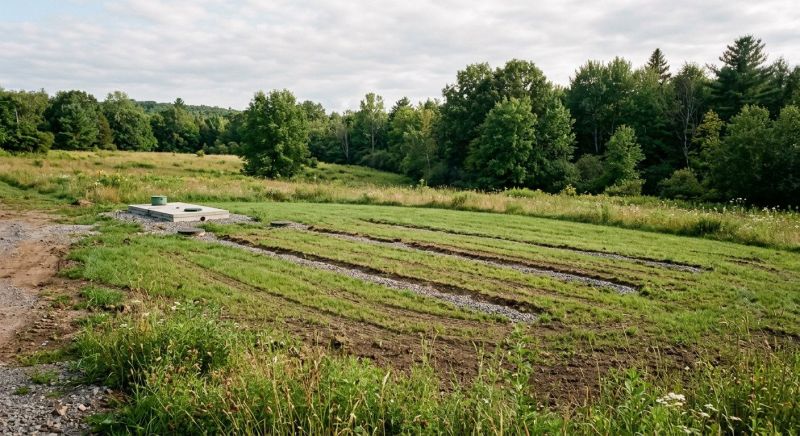
What is a septic field? A septic field is an underground system that treats and disperses wastewater from a property’s septic tank into the soil.
What factors influence septic field size? The size depends on the number of bedrooms, water usage, and soil conditions of the property.
How long does a septic field typically last? With proper maintenance, a septic field can last 20 to 30 years or more.
What signs indicate a septic field may need replacement? Signs include slow drains, foul odors, or standing water near the system area.
Request Septic Field Installation in Denver, CO
Use the quote form on this page to share the basics of your project and request more information for the type of work you need.